If you’re moving between Colorado Springs and Minnesota, you may already know the weather will feel different. What often catches people off guard is that the real estate process can feel different too. From pricing and timing to contracts and home features, understanding those differences can help you plan with less stress and fewer surprises. Let’s dive in.
Colorado Springs vs. Minnesota Home Prices
One of the first differences many buyers and sellers notice is price. In Colorado Springs, the typical home was about $457,000 as of March 2025, and Pikes Peak market data showed a median sales price of $485,000 in April 2026 for single-family and patio homes.
Minnesota looks more affordable overall by comparison. Minnesota Realtors reported a 2025 statewide median home price of $355,000, with the Twin Cities metro at $390,000. These are not identical data points, but they point in the same direction: Colorado Springs generally feels more expensive than Minnesota overall.
That said, Minnesota is not one single market. The Twin Cities tends to be one of the highest-priced and fastest-moving parts of the state, while many Greater Minnesota areas are more affordable and move at a slower pace. If you are relocating, it helps to compare your specific city or region rather than treating Minnesota as one market.
Market Pace Feels Different
Colorado Springs still has active buyer demand, even when shoppers have more options than they did in tighter years. In April 2026, PPAR reported 2,533 single-family and patio homes on the market, 933 sales, and average days on market of 51.
Minnesota’s statewide market time was reported at 44 days in 2025, and inventory was higher in most months than the year before. Well-presented, realistically priced homes could still attract multiple offers. In both places, condition and pricing matter, but your expectations may need to shift depending on where you are coming from.
If you are moving from Minnesota to Colorado Springs, a higher price point may be the biggest adjustment. If you are moving from Colorado Springs to Minnesota, you may find more pricing flexibility in some areas, but not necessarily in the Twin Cities.
Colorado Contracts Are More Deadline-Driven
One of the biggest practical differences is how the contract feels once you are under contract. In Colorado, the Commission-approved residential contract is packed with specific deadlines for title review, inspection, appraisal, survey, due diligence documents, and conditional sale terms.
Colorado also separately addresses items like water rights and mineral rights review. For many relocating buyers, this makes the process feel front-loaded. You are making decisions early and often, and missing a deadline can have real consequences.
The inspection and appraisal process in Colorado is especially important to understand. Buyers can submit an inspection objection by the deadline, and if the parties do not reach a resolution by the resolution deadline, the contract terminates unless the buyer withdraws the objection. The appraisal section works in a similar way.
For sellers, this means the early part of the contract period can feel busy. For buyers, it means staying organized is essential. A step-by-step approach matters here, especially if you are managing a relocation from out of state or during a military PCS timeline.
Minnesota Closings Often Feel More Timeline-Based
Minnesota guidance puts more emphasis on planning the closing date and managing contingencies around that timeline. The Minnesota Attorney General advises setting closing at least six weeks after the purchase agreement.
Minnesota guidance also notes that most closings happen during the last week of the month and advises against closing on the last day of the month. Minnesota Realtors explains that a signed purchase agreement is binding, and any changes or cancellations must be in writing and signed by both parties.
In practical terms, Minnesota can feel more focused on closing coordination, lender timing, and written addenda for contingencies. Colorado can feel more calendar-intensive because so many contract events have their own built-in deadlines. If you have bought or sold in one state before, do not assume the same rhythm will carry over to the other.
Where You Close May Differ
Another difference is where the closing itself typically happens. In Colorado, closing usually takes place at the title company.
In Minnesota, public guidance more often refers to a closing agent or attorney, and it notes that traditional practices can vary by community. That may not change your end goal, but it can change who is involved and how the final steps are coordinated.
Seasonal Timing Is Not Exactly the Same
Spring is important in both places, but the reason behind the spring market can differ. In Colorado Springs, the market often gets a spring bump that is partly tied to PCS season, when military households are required to move.
Local reporting tied to PPAR data showed that inventory rose 12% from March to April 2026, while sales held steady and average days on market reached 51. That seasonal uptick can create more movement on both the buy and sell side.
Minnesota follows a more classic weather-driven pattern. Minnesota Realtors notes that winter usually brings a lull as temperatures drop, while spring brings more foot traffic.
If you are selling in Colorado Springs, it may help to prepare ahead of the spring PCS surge. If you are selling in Minnesota, winter may be quieter, but that does not mean the market is inactive. In both states, timing matters, but for slightly different reasons.
Home Features Often Surprise Relocating Buyers
When you walk through homes in Colorado Springs and Minnesota, the differences are not just cosmetic. Climate, water use, and housing age all shape what you are likely to see.
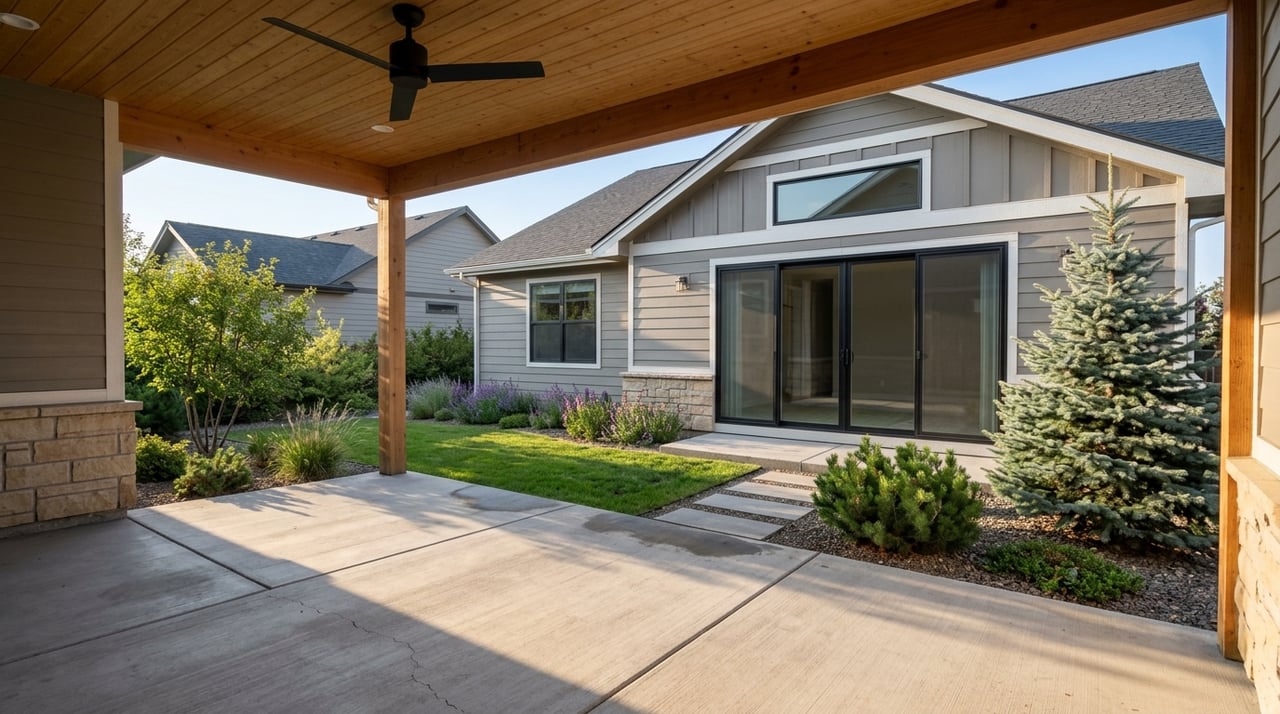
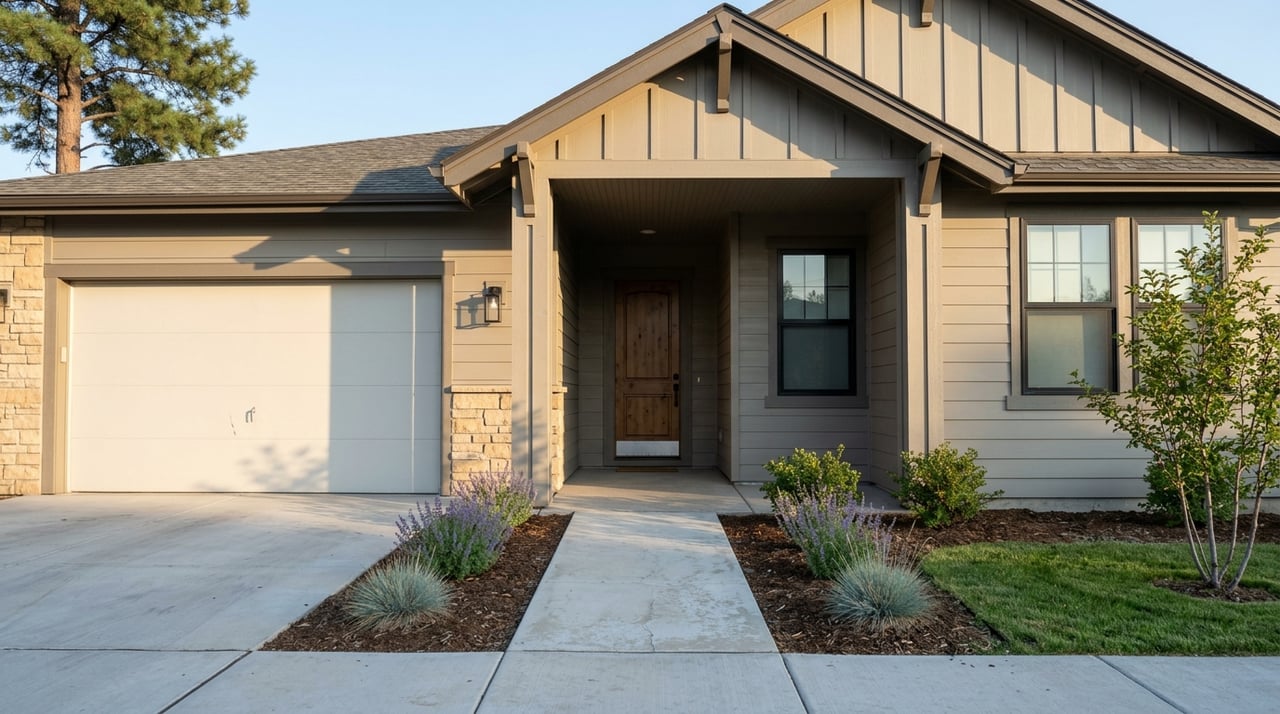
Colorado Springs is a semi-arid, high-mountain desert environment. Colorado Springs Utilities promotes xeriscape and water-wise landscaping as part of local conservation efforts. The regional housing assessment also showed a median year of construction of 1986, and 61% of city housing stock is single-family detached.
For many buyers coming from Minnesota, that can mean more detached-home neighborhoods, more water-wise yards, and more attention to outdoor living spaces. You may also hear more questions about irrigation, landscaping, and water use than you would in many Minnesota markets.
Minnesota homes often come with a different set of practical concerns. Minnesota Housing notes that many older homes in the state were built before 1980 and may need repairs or rehabilitation.
University of Minnesota Extension highlights basement moisture and ice dams as common issues. That means buyers relocating from Colorado may need to pay closer attention to basements, attic insulation, roof drainage, and winterization features than they are used to.
What This Means for Buyers
If you are buying in Colorado Springs after living in Minnesota, expect a market that may feel pricier and a contract process that asks you to stay on top of several deadlines at once. You may also need to adjust your expectations around lot design, landscaping, and the age or style of homes you tour.
If you are buying in Minnesota after living in Colorado Springs, focus on local market conditions instead of statewide assumptions. Some areas may feel slower and more affordable, while others, especially in the Twin Cities, can still be competitive. You will also want to pay close attention to cold-weather maintenance issues during your home search.
What This Means for Sellers
If you are selling in Colorado Springs, preparation before spring can be especially helpful. With a seasonal PCS bump and active buyer traffic, pricing realistically and presenting your home well still matter.
If you are selling in Minnesota, it helps to plan around the closing calendar and seasonal traffic patterns. Even with improved inventory, homes that are turnkey and well-presented can still stand out.
In either state, relocation sellers usually benefit from a clear plan, a realistic timeline, and steady communication. That is especially true if you are trying to line up one sale with another purchase in a different state.
Moving between Colorado Springs and Minnesota is more than a change in scenery. It is a shift in pricing, process, timing, and even the kinds of home details that matter most. If you understand those differences early, you can make better decisions and feel more confident every step of the way.
Whether you are heading to Colorado, returning to Minnesota, or planning a military move, the right guidance can make the transition much smoother. If you want clear, step-by-step support for your next move, reach out to Leslie Neumann.
FAQs
How do home prices compare between Colorado Springs and Minnesota?
- Colorado Springs generally feels more expensive, with local data showing typical or median pricing in the mid-$400,000s, while Minnesota’s 2025 statewide median was $355,000 and the Twin Cities metro median was $390,000.
How long does closing usually take in Minnesota compared to Colorado?
- Minnesota public guidance suggests planning at least six weeks from the purchase agreement to closing, while Colorado timing is shaped more by the deadlines written into the contract and lender and title scheduling.
Why do Colorado real estate contracts feel different from Minnesota contracts?
- Colorado contracts are more deadline-heavy, with specific dates for inspection, appraisal, title, and other objections, while Minnesota guidance tends to focus more on the closing timeline and written contingency addenda.
What home features differ most between Colorado Springs and Minnesota?
- Colorado Springs homes often feature water-wise landscaping and a higher share of single-family detached housing, while Minnesota homes more often raise questions about older construction, basements, attic insulation, roof drainage, and winter maintenance.
When is the best time to list a home in Colorado Springs or Minnesota?
- Spring is busy in both places, but Colorado Springs often sees an added PCS-related boost, while Minnesota typically has a more traditional winter slowdown followed by stronger spring activity.
What should military buyers or sellers know about moving to Colorado Springs?
- Colorado Springs often experiences spring activity tied to PCS moves, so military households benefit from planning early, staying organized around contract deadlines, and working with an agent who can support a relocation timeline.