If you have ever stepped outside in Colorado Springs on a sunny winter morning and then felt a weather shift by afternoon, you already know one thing: your home has to work hard here. Between strong sun, dry air, summer storms, and snow that can show up beyond the core winter months, comfort is not just about style. It is about smart design choices that help your home feel functional in every season. Let’s dive in.
Start With Colorado Springs Climate
Colorado Springs asks a lot from a home. NOAA climate normals for the Colorado Springs Municipal Airport show annual precipitation of 15.91 inches, annual snowfall of 32.5 inches, and an elevation of 6,181 feet.
That means your home may need to handle hot summer afternoons, colder nights, dry stretches, and snow in months many people do not expect. March averages 5.7 inches of snow, April 5.5 inches, October 2.5 inches, November 4.4 inches, and December 4.1 inches.
The wettest months are July and August, which can bring short but more active summer moisture. In practical terms, that makes runoff, muddy shoes, wet gear, and outdoor drainage part of year-round planning.
Design for Sun and Shade
At Colorado Springs elevation, sunlight deserves more attention than many buyers expect. The EPA notes that UV intensity increases about 6% per kilometer of elevation, which makes sun exposure and fading more relevant here than in lower-elevation markets.
That matters for both comfort and maintenance. Flooring, furniture, paint, and outdoor materials can all feel the effects of strong sun over time.
Use Window Orientation Wisely
Window placement can make a big difference in how a home feels throughout the year. According to the U.S. Department of Energy, south-facing windows can bring in helpful winter sunlight when properly shaded, while north-facing windows provide more even light with less unwanted heat gain.
East- and west-facing windows often need the most attention. DOE notes these exposures can create glare and summer heat gain, and they are usually harder to shade well.
If you are updating a home or comparing listings, pay close attention to living rooms, home offices, and bedrooms with heavy west exposure. Those rooms can feel very different in July than they do during a quick showing.
Add Exterior Shade Where It Counts
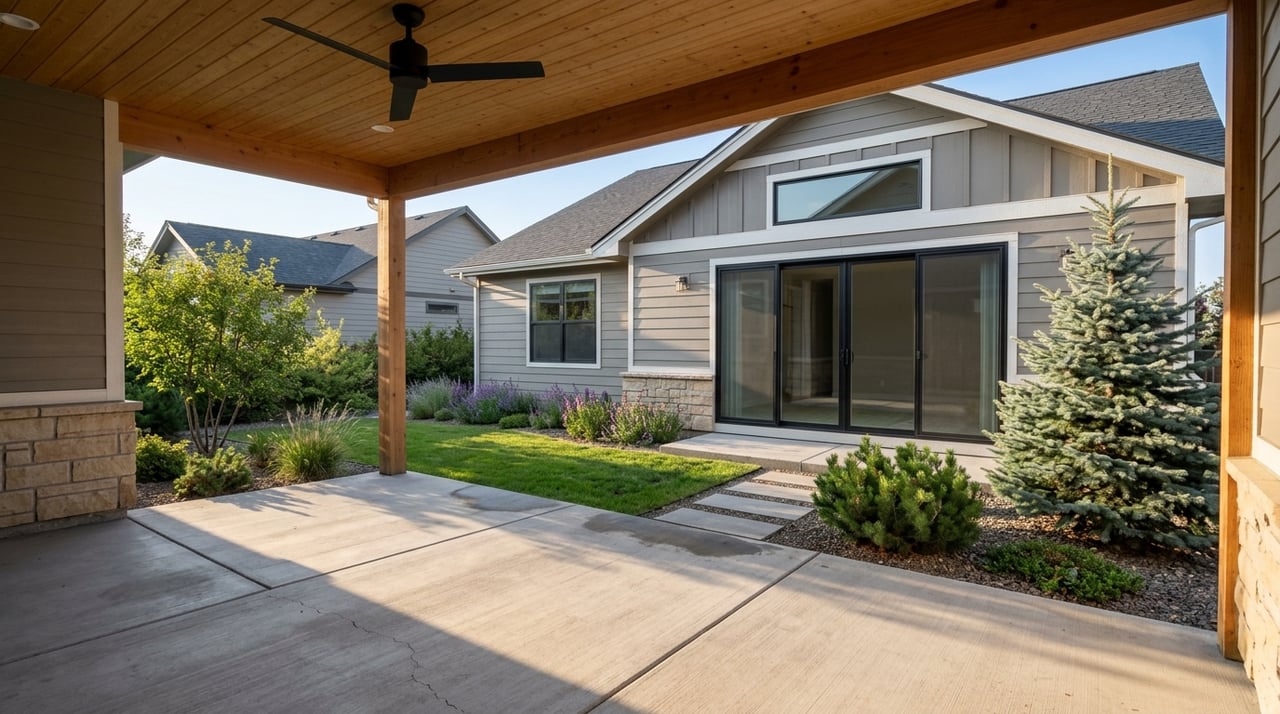
Exterior shade can improve comfort inside and out. Covered patios, pergolas, and similar shade structures are especially helpful on south and west sides, where afternoon sun tends to hit hardest.
This is one of the simplest ways to make outdoor living space more usable during warmer months. It can also help nearby interior spaces feel less overheated and reduce the strain on cooling systems.
Build an Entry That Handles Real Life
In a market with snow, spring moisture, and changing conditions, a true drop zone is more than a nice extra. It is one of the most practical layout features you can have.
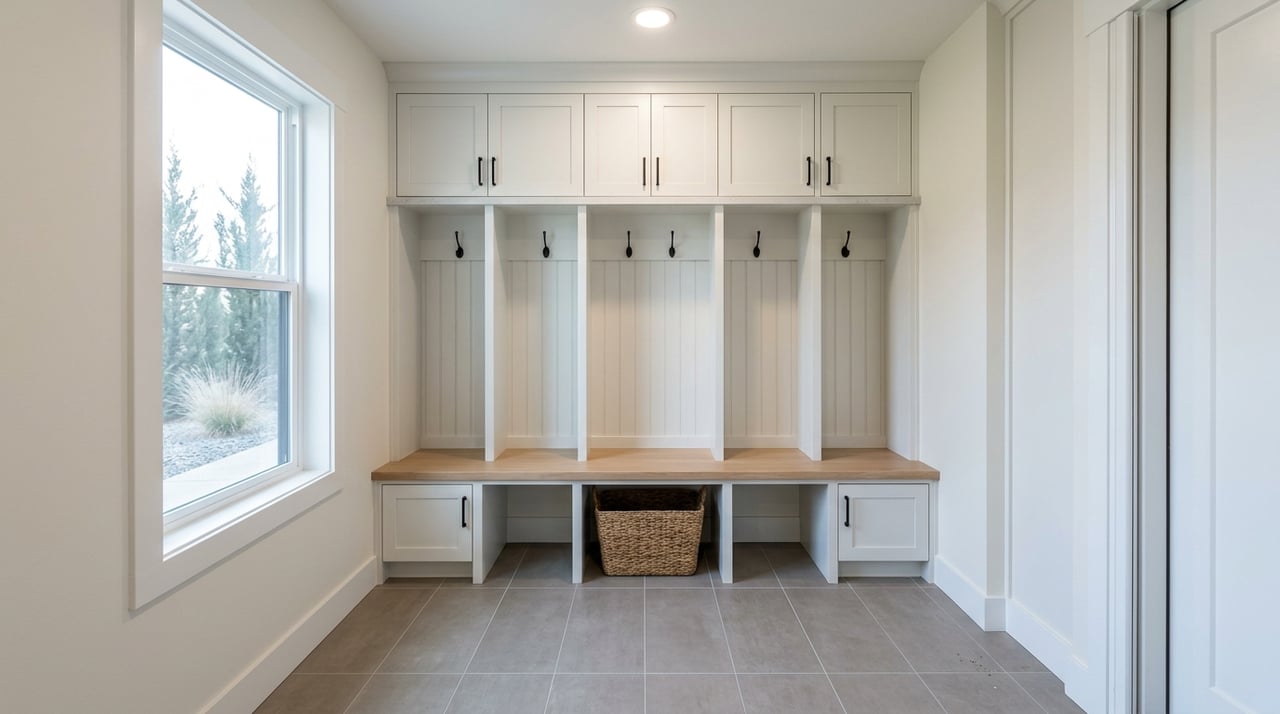
A well-designed mudroom does not need to be huge. What matters most is function: a bench, hooks, closed storage, and a dedicated spot for boots, coats, umbrellas, and pet gear.
That setup helps keep moisture and mess from spreading into the main living area. For busy households, especially those juggling school runs, work, pets, or frequent moves, it can make everyday life noticeably easier.
Choose Layouts That Can Adapt
A home that works in every season should also work through different stages of life. Flexible space tends to age better than highly specialized rooms.
A main-level office, for example, can also serve as a guest room, hobby room, nursery, or sleeping space later on. That kind of flexibility can be especially helpful if your needs change because of family routines, remote work, or a future relocation.
Think About Long-Term Livability
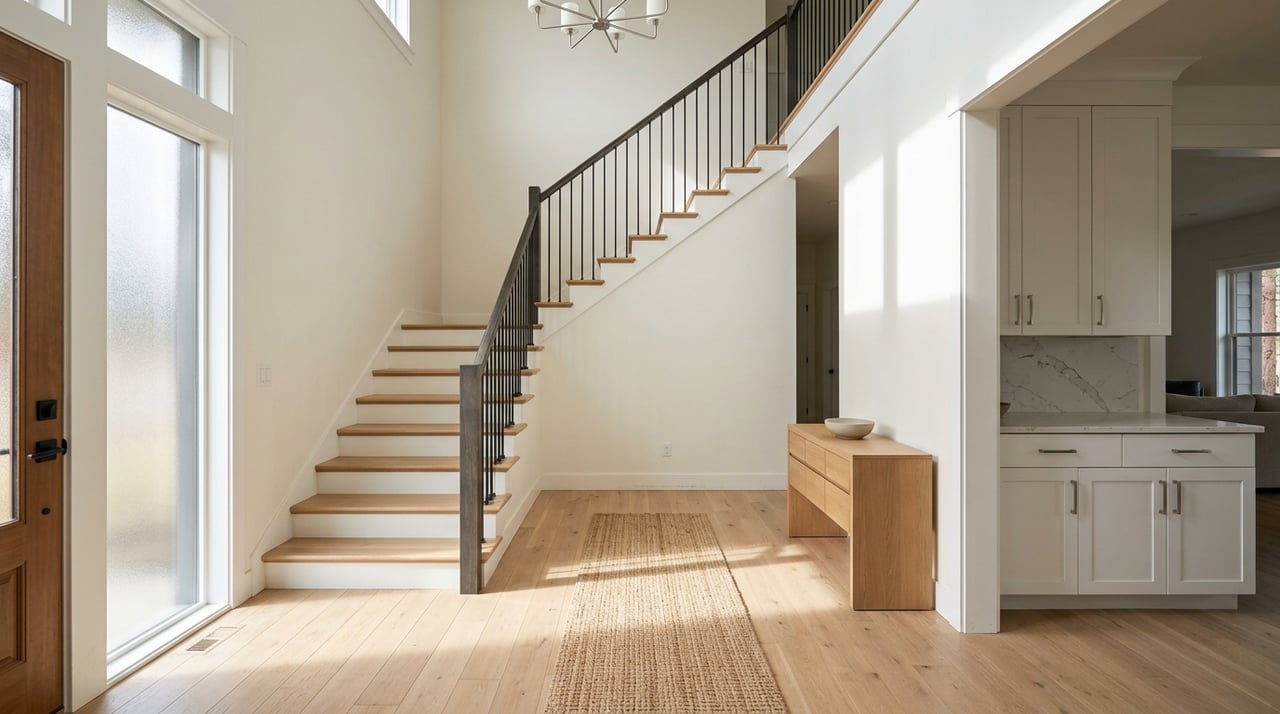
HUD guidance on universal design highlights features like on-grade entrances, wider doorways and hallways, and support for railings. A home does not need a full redesign to benefit from these ideas.
Often, the best approach is simply to look for layouts that can adapt without a major rebuild. Entry access, bathroom layout, and circulation space all matter if you want a home that can remain comfortable and practical over time.
For buyers, this can be a smart lens when comparing homes. For sellers, it can also help you identify updates that improve daily usability now and broader appeal later.
Make Outdoor Spaces Easier to Maintain
Colorado Springs Utilities describes the city as a semi-arid, high-mountain desert. That local context makes water-wise landscaping an important part of home design, not just a trend.
If you want outdoor spaces that look good and function well, it helps to plan with water use, drainage, and maintenance in mind from the start. This is especially important around patios, side yards, and high-sun exposures.
Plan Landscaping Around Water Rules
Colorado Springs Utilities Water Wise Rules allow sprinkler watering up to three days per week and only before 10 a.m. or after 6 p.m. from May 1 to Oct. 15. The rules also prohibit runoff onto hard surfaces.
That makes drought-tolerant plantings, drip irrigation, and well-drained hardscape especially useful. These features can help you create outdoor areas that are easier to care for and better suited to the local climate.
Focus on Drainage and Durability
Because summer moisture often comes in shorter, more active windows, runoff control matters. Hardscape, grading, and planting choices should help move water where it belongs rather than toward walkways or gathering areas.
It is also smart to choose materials that can handle strong sun, snow, and quick weather shifts. Outdoor spaces tend to perform better when they are designed for local conditions instead of a one-size-fits-all look.
Improve Comfort Before Major Equipment Changes
If you own an older Colorado Springs home, the best comfort upgrades often start with the envelope. DOE notes that air sealing and insulation are important for energy efficiency and moisture control, and that homes still need mechanical ventilation for indoor air quality.
In other words, before jumping straight to bigger equipment changes, it often makes sense to reduce drafts and improve insulation. That foundation can make the whole home feel more consistent year-round.
Consider Heat Pumps and Smart Controls
DOE says heat pumps provide efficient heating and cooling in all climates, and air-source models have become viable in subfreezing temperatures. For Colorado Springs homeowners, that makes them worth considering as part of a broader comfort plan.
Colorado Springs Utilities currently advertises rebates that can help with upfront costs. As listed now, insulation and air sealing rebates are up to 40% back, capped at $3,750, heat-pump rebates range from $1,500 to $3,000 for qualifying equipment, and there is also a $50 smart-thermostat rebate.
Those programs can be useful if you are deciding when to update a home after closing or preparing a property for sale. Even smaller changes can improve comfort and help a home feel more current to buyers.
Pick Windows for the Exposure
Windows are not just about appearance. DOE notes that heat gain and heat loss through windows can account for 25% to 30% of residential heating and cooling energy use.
That is why U-factor and solar heat gain coefficient matter when you compare replacement options. South-facing windows may benefit from winter sun when shading is handled well, while east- and west-facing glass usually needs more heat control.
If you are touring homes, this is worth noticing room by room. A beautiful window wall can still create comfort issues if the orientation and shading are working against you.
What This Means for Buyers and Sellers
For buyers, the goal is not to find a perfect home that already solves every seasonal challenge. It is to recognize which features support comfort, flexibility, and lower-stress maintenance in Colorado Springs.
Look for practical signs like a useful entry, sensible shade, adaptable living space, and landscaping that fits local water conditions. These details often matter more in daily life than trend-driven finishes.
For sellers, this is a helpful way to position your home as well. Features that support year-round living, such as organized storage, outdoor shade, smart irrigation, or energy-conscious updates, can make your property easier for buyers to understand and appreciate.
A well-prepared home tells a better story when buyers can quickly see how it will function in January, July, and everything in between.
If you are buying, selling, or relocating to Colorado Springs, Leslie Neumann can help you evaluate the practical details that make a home easier to live in through every season.
FAQs
What home features matter most for Colorado Springs weather?
- Practical features include a mudroom or drop zone, good exterior shade, adaptable living space, water-wise landscaping, and energy-focused updates like air sealing and insulation.
How should Colorado Springs homeowners think about window orientation?
- South-facing windows can be helpful when properly shaded, north-facing windows provide more even light, and east- and west-facing windows usually need more glare and heat control.
Why is landscaping design important for Colorado Springs homes?
- Colorado Springs is a semi-arid, high-mountain desert, and local watering rules limit sprinkler use and prohibit runoff onto hard surfaces, so water-wise planning is especially important.
What are practical comfort upgrades for an older Colorado Springs home?
- Air sealing, insulation, heat pumps, smart thermostats, and better exterior shading are among the most practical upgrades supported by current guidance and local utility rebate programs.
How can a Colorado Springs home layout stay useful over time?
- Flexible rooms, on-grade entry access, wider circulation areas, and adaptable bath or hallway layouts can help a home remain functional as needs change.